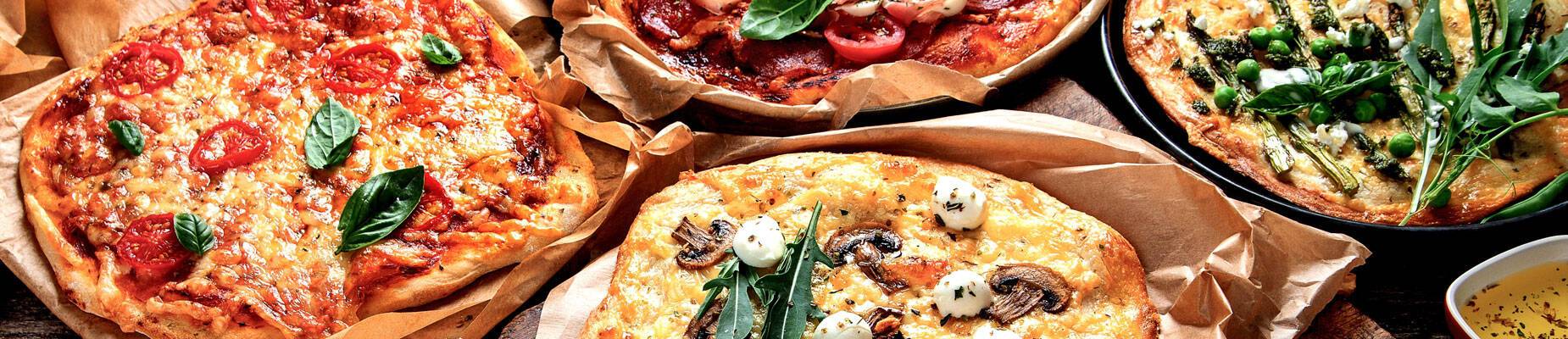
For many, food is one of the most important parts of any trip to Italy. From tucking into freshly made pizza in Naples and twirling ribbons of pasta around your fork in Bologna to enjoying creamy risotto in northern Italy or cooling down with a scoop of gelato, there are countless flavours to discover as you travel across the country.
Italian cuisine is loved and recreated around the world, but there’s something special about enjoying these dishes in the places they call home. With recipes, ingredients and traditions varying from region to region, every destination brings something different to the table. Here, we explore some of the most popular Italian dishes to look out for on your next visit.
Popular Italian dishes
Pizza
One of Italy’s most iconic dishes, pizza has a rich history that stretches back centuries. Whilst the word ‘pizza’ can be traced to a document from Gaeta in southern Italy dating to 997, the idea of topping flatbreads has much older roots, with ancient Mediterranean civilisations reportedly enjoying baked flatbreads with oil, herbs and cheese.
During the 18th century, pizza as we know and love it today became an important part of everyday Neapolitan life. Affordable, filling, and easy to eat, it was sold on the streets before dedicated pizzerias became more common. By the 19th century, pizza was firmly embedded in Neapolitan food culture, and varieties such as the Marinara and Margherita would become classics.
From Naples, its popularity eventually spread far beyond Italy, especially as Italian migration introduced pizza to audiences worldwide. Today, pizza remains so closely connected to the city that UNESCO added the art of the Neapolitan pizzaiuolo to its Representative List of the Intangible Cultural Heritage of Humanity in 2017. Here are some of the most popular types of pizzas in Italy:
Pizza Margherita
One of Italy’s most famous and instantly recognisable pizzas, pizza margherita is celebrated for its simplicity. Hand-stretched dough, traditionally made with just flour, water, yeast, and salt, is topped with hand-crushed peeled tomatoes, fresh mozzarella, basil, and a drizzle of olive oil. The pizza is then cooked quickly at a very high temperature, traditionally in a wood-fired oven, creating a lightly charred, crisp-edge crust while keeping the centre tender. Perhaps most famously, its three signature toppings are said to echo the colours of the Italian flag: red tomatoes, white mozzarella and green basil.
Pizza Marinara
Pizza Marinara is another pizza that celebrates the beauty of simple ingredients. A traditional Neapolitan dough forms the base; the middle is pressed very thin so it cooks quickly and absorbs the sauce, while the outer edge rises high and develops a light char in the oven's intense heat. Hand-crushed tomatoes are topped with slices of garlic, fragrant dried oregano and a drizzle of extra virgin olive oil. Although it shares similarities with the Margherita, one notable difference is that the marinara contains no cheese.
Pizza Quattro Stagioni
Pizza Quattro Stagioni, meaning ‘four seasons’, starts with a traditional pizza base topped with a flavoursome tomato sauce and fresh mozzarella. The pizza is then divided into four sections, with each topping representing a different season. Artichokes represent spring, black olives for summer, mushrooms for autumn, and prosciutto or ham for winter.
Pizza Capricciosa
Often made using many of the same ingredients as Pizza Quattro Stagioni, Pizza Capricciosa spreads its toppings across the entire pizza rather than separating them into four sections. The exact ingredients tend to vary depending on the region, chef, or simply what is available in the kitchen. This variation is particularly fitting, as ‘capricciosa’ loosely translates to ‘capricious’ or unpredictable.
Pizza Quattro Formaggi
Translated to ‘four cheeses’ in Italian, Pizza Quattro Formaggi is an iconic staple on pizzeria menus across Italy. It can be made with or without tomato sauce; in some cases, it might be made with a white sauce base instead. A distinct blend of cheeses creates a balanced mix of flavours. Mozzarella provides a mild, stretchy base, while gorgonzola adds a bold, tangy kick, fontina brings a smooth, nutty flavour, and parmesan adds a savoury finish.
Pizza Diavola
A classic Italian pizza, popular with those who enjoy rich flavour and a spicy kick. A tomato base is topped with fresh mozzarella and thinly sliced spicy Italian salami, such as salame piccante, spicy soppressata or salame calabrese. For an extra burst of heat, some recipes add a pinch of chilli flakes or fresh hot chilli peppers. Fresh basil leaves, a drizzle of extra-virgin olive oil and a pinch of salt complete the ingredients.
Pasta
Like pizza, pasta is a food synonymous with Italy. Although its exact origins are hard to pinpoint, people have enjoyed pasta in different forms throughout Italy for centuries. Contrary to the popular story that Marco Polo introduced pasta to Italy from China, evidence of pasta-like foods in Italy predates his travels.
Over time, pasta became an important part of Italian cooking, with different regions developing their own shapes, recipes and traditions. Different shapes are also traditionally paired with particular sauces, helping to capture, carry or complement the ingredients.
Today, hundreds of pasta shapes can be found in homes, stores and restaurants across Italy, from long strands of spaghetti and linguine to ribbons of tagliatelle and tubes of rigatoni. Here are some of the most popular pasta dishes to try on your trip to Italy:
Spaghetti al Pomodoro
This simple yet deeply satisfying dish is a must-try in Italy. Spaghetti al pomodoro combines spaghetti with a tomato sauce traditionally made using ripe tomatoes, extra-virgin olive oil, garlic and fresh basil. Finished with a sprinkling of parmesan, if desired, it’s a classic example of Italian cooking that lets a handful of high-quality ingredients do the talking.
Tagliatelle al Ragù
A speciality of Bologna and the surrounding Emilia-Romagna region, tagliatelle al ragù pairs ribbons of fresh egg pasta with a slow-cooked meat sauce. Traditional Bolognese ragù typically combines minced beef with ingredients such as pancetta, onion, carrot, celery, tomato, and wine. The wide strands of tagliatelle are particularly well suited to holding the rich sauce.
Spaghetti alla Carbonara
One of Rome’s most famous pasta dishes, spaghetti alla carbonara, is traditionally made with just a handful of ingredients. Hot pasta is combined with eggs, Pecorino Romano, guanciale and black pepper to create its characteristically rich and creamy texture, without the need for cream.
Rigatoni All'amatriciana
Originating in the town of Amatrice and closely associated with Roman cuisine, Amatriciana combines a tomato-based sauce with guanciale, fresh or dried chilli peppers, Pecorino Romano, and an optional splash of white wine. It can be served with different pasta shapes, but the ridges and hollow centre of rigatoni are perfect for capturing plenty of the rich sauce.
Lasagne alla Bolognese
Lasagne alla Bolognese is a speciality of Emilia-Romagna and a particularly comforting Italian classic. Layers of fresh pasta alternate with slow-cooked Bolognese ragù and creamy béchamel sauce; then Parmigiano Reggiano is added, and it's baked until bubbling and golden. Unlike versions commonly found outside of Italy, the traditional Bolognese recipe is often made with green pasta made with spinach.
Linguine alle Vongole
Particularly popular along Italy’s coastline, linguine alle vongole combines pasta with fresh clams for a dish filled with flavours of the sea. The clams are typically cooked with olive oil, garlic, and white wine, creating a light, flavourful sauce. Parsley is often added just before serving for a fresh finishing touch.
Risotto
Risotto is a staple comfort food, especially in northern Italy, where rice is grown. Unlike rice dishes where the grains are simply boiled, risotto is prepared by gradually adding liquid to the rice as it cooks. This encourages the rice to release starch, creating the creamy consistency risotto is known for while allowing the individual grains to retain some bite.
As with pasta, risotto recipes vary by region and season, with everything from saffron and mushrooms to pumpkin and seafood used to flavour the dish. Here are some of the most popular risottos you might like to try whilst travelling through Italy:
Risotto alla Milanese
Instantly recognisable by its golden colour, Risotto alla Milanese is one of Milan’s most famous dishes. Traditionally, Arborio or Carnaroli rice is slowly cooked in beef marrow and butter, while the saffron gives the risotto its distinctive colour and delicate flavour. Finely chopped onion or shallot is cooked softly in the pan, and liquids like dry white wine and hot beef, chicken or vegetable stock are gradually added. Parmigiano Reggiano is usually stirred through at the end for an extra-rich finish.
Risotto ai Funghi
Earthy mushrooms are the key ingredient in Risotto ai Funghi. Slow-cooked risotto rice provides a creamy base for mushrooms, ranging from porcini to varieties that are locally available or in season. Finished with butter and Parmigiano Reggiano, it’s a warming dish that is loved by many.
Risotto alla Zucca
Particularly associated with northern Italy, Risotto alla Zucca combines creamy risotto rice with pumpkin. As the pumpkin cooks, it softens into the rice, bringing a subtle sweetness and vibrant colour to the dish. Butter and cheese add richness, balancing the natural sweetness of pumpkin.
Caprese Salad
With its distinctive red, white and green colours, Caprese Salad is one of Italy’s most recognisable salads. Slices of ripe tomato and fresh mozzarella are layered with fragrant basil leaves, then finished with extra-virgin olive oil and seasoning. Named after the island of Capri, this refreshing dish is often enjoyed for lunch and in the evenings on sunny days.
Bistecca alla Fiorentina
Popular amongst meat-lovers, Bistecca alla Fiorentina is a thick-cut steak traditionally associated with Florence. Cut to include both the tenderloin and sirloin, the steak is cooked over a hot grill or glowing coals and traditionally served rare. Seasoning is kept simple, allowing the quality and flavour of the beef to shine.
Focaccia
Soft and airy on the inside with a lightly crisp, golden exterior, focaccia is one of Italy’s best-known breads. Particularly associated with Liguria, the dough is generously dressed with olive oil before baking, creating its characteristic texture and flavour. It can be enjoyed simply with olive oil and salt or topped with ingredients such as rosemary, olives, tomatoes and onions.
Bruschetta
Bruschetta is made with slices of bread toasted or grilled until crisp, traditionally rubbed with garlic and finished with olive oil and salt. Countless variations exist, but one of the most popular is topped with chopped fresh tomatoes and basil. It’s light, fresh and full of flavour and is commonly served as a starter or snack.
Salumi
Salumi refers to a wide variety of Italian cured meat products, making it an umbrella term. Prosciutto, salami, mortadella and coppa are just a few examples, with different regions of Italy having their own specialities and production traditions. You’ll often find a selection served together as antipasto, perhaps with cheese, olives, bread, and oil.
Tiramisu
Coffee and mascarpone come together in one of Italy’s most famous desserts. Tiramisu is made by layering coffee-soaked ladyfingers with a rich mascarpone mixture before finishing with a dusting of cocoa powder.
Gelato
No trip to Italy would be complete without at least one scoop of gelato. Compared with many styles of ice cream, Italian gelato is generally made with a higher proportion of milk and a lower proportion of cream and is churned more slowly, giving it its characteristically dense, smooth texture. From pistachio and hazelnut to chocolate, lemon, and seasonal fruits, the hardest part may be choosing a flavour.
Panna Cotta
Meaning ‘cooked cream’, panna cotta is a delicate dessert originating in Piedmont in northern Italy. Cream is sweetened, gently heated and set to create its signature silky texture, often with vanilla added for flavour. It can then be served with anything from fresh berries and fruit coulis to caramel or chocolate.