Planning to spend a day in Oslo during a cruise? Norway’s captivating capital offers plenty to explore, making it an extremely exciting port of call. From striking architecture and fascinating museums to historic landmarks, waterfront neighbourhoods and distinctly Nordic experiences, there’s plenty to discover in just one day. Whether you’re drawn to art and culture, keen to delve into the city’s history or want to embrace Oslo’s outdoor lifestyle, there are plenty of ways to spend your time ashore. To help you make the most of your visit, we’ve created three different itineraries, each offering a unique way to experience Oslo during your day in port.
Things to do in Oslo
Option one:
- Visit Oslo Opera House
- Explore the MUNCH Museum
- Grab a bite to eat at Oslo Street Food Hall
Visit Oslo Opera House
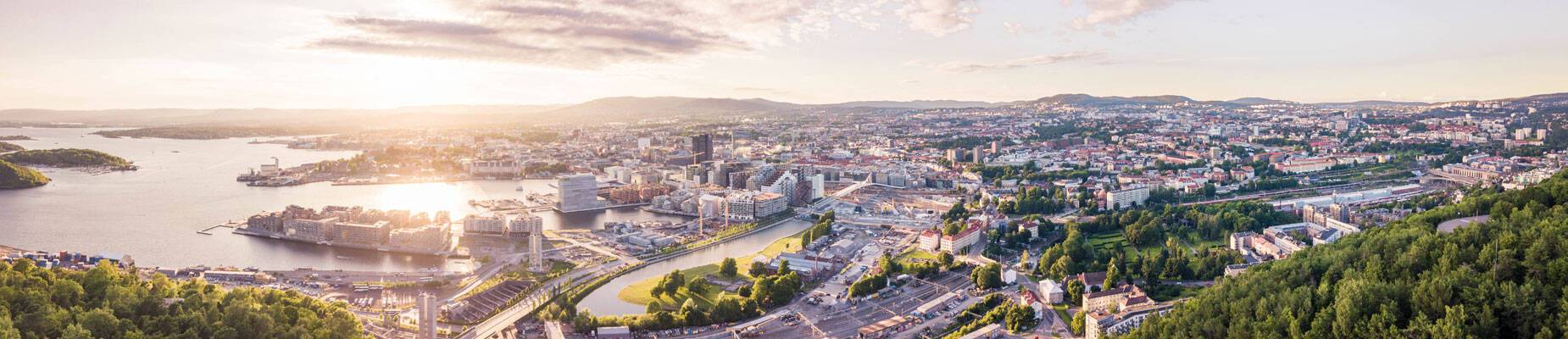
Stop by one of Oslo’s most distinctive modern landmarks, Oslo Opera House. Situated in Bjørvika, the Opera House stands in an area once dominated by port activity and now transformed into a vibrant cultural and architectural hub. One of the most striking buildings along the bustling waterfront, it is regarded as the home of Norwegian opera and ballet. On weekends, guided tours in English offer a glimpse behind the scenes and the opportunity to learn more about the building’s architecture, the artwork displayed throughout the Opera House, its stage technology and the world of opera and ballet. If your visit does not fall on the weekend, the Opera House is still well worth exploring. One of the building’s most remarkable features is the sloping roof that visitors can actually walk up onto. The roof effectively becomes a public viewpoint, offering views across the Oslofjord, the surrounding waterfront and Oslo’s evolving skyline.
Explore the MUNCH Museum
Just a stone’s throw away from Oslo Opera House, the MUNCH Museum is one of the city’s leading cultural attractions, welcoming thousands of visitors each year. Dedicated primarily to the life and work of famous Norwegian expressionist artist Edvard Munch, the museum houses the world’s largest collection of his works. Much of this extraordinary collection exists thanks to Munch himself, who bequeathed the works still in his possession to the City of Oslo. The collection spans paintings, drawings, prints, photographs and more, offering a fascinating insight into the artist and his career.
Grab a bite to eat at Oslo Street Food Hall
If you’re feeling peckish after a morning of exploration, make your way to Oslo Street Food Hall. Located within the historic Torggata Bad, once Oslo’s largest public baths and a popular meeting place for city residents, the food hall gives the landmark a new lease of life. With vendors selling everything from Vietnamese pho and Mexican tacos to Argentine empanadas and smash burgers, you’ll find there’s plenty to tempt you. The sheer variety makes it an ideal choice if everyone in your group fancies something different. Alternatively, if you’d prefer to stay closer to the waterfront, head to Vippa. Set beside the Oslofjord in a former industrial building, this relaxed food hall combines street food with views across the water. For those who want to delve even deeper into Oslo’s food scene, there’s also Mathallen. Often regarded as a foodie’s paradise, the bustling food hall is home to more than 30 specialist shops, cafés and restaurants, bringing together Norwegian produce and flavours from further afield.
Option two:
- Tour Akershus Fortress
- Savour seafood at Aker Brygge
- Discover the Nobel Peace Center
Tour Akershus Fortress
Step back in time at one of Oslo’s most important historic landmarks. Construction of Akershus Castle and Fortress began in 1299 under King Håkon V to help protect the city from attack. Over the centuries, the fortress has survived numerous sieges and undergone significant changes, including its transformation into a Renaissance castle and royal residence under King Christian IV. Today, you can wander through the historic fortress grounds, admire centuries-old architecture and enjoy views across Oslo’s harbour.
Savour seafood at Aker Brygge
After immersing yourself in Oslo’s history, make your way along the waterfront to Aker Brygge. Once home to the Akers Mekaniske Verksted shipyard, the former industrial area has been transformed into a lively neighbourhood where historic shipyard buildings sit alongside modern architecture, shops and an impressive collection of restaurants. Many of the restaurants that line the pedestrianised waterfront serve fresh fish and succulent seafood dishes alongside other Norwegian and international dishes, offering plenty of choice.
Discover the Nobel Peace Center
Continue your day at the Nobel Peace Center, situated beside Rådhusplassen and just across from Oslo City Hall, where the Nobel Peace Prize ceremony takes place each year. Dedicated to Alfred Nobel, the history of the Nobel Peace Prize and its laureates, the museum uses exhibitions, photographs and interactive experiences to share stories of people nd organisations that have worked towards a more peaceful world.
Option three:
- Explore Sørenga and Oslo’s waterfront
- Take a dip at Sørenga Seawater Pool
- Warm up with a sauna at KOK Oslo
Explore Sørenga and Oslo’s waterfront
Discover a different side of the Norwegian capital as you wander around Sørenga and Oslo’s lively waterfront. Once an old container dock, Sørenga underwent a huge transformation and is now characterised by contemporary architecture, green spaces, canals, and places to relax beside the water. Sørenga also connects to Oslo’s Harbour Promenade, which stretches for almost 10 kilometres and links old and new areas of the city. Sørenga and Bjørvika offer spectacular views of both the fjord and the city’s most recognisable modern architecture.
Take a dip at Sørenga Seawater Pool
At the southernmost tip of Sørenga, you’ll find the Sørenga Seawater Pool, a large public bathing area filled with seawater from the fjord. Alongside its swimming area, there’s a beach, children’s pool, and plenty of space to relax beside the water, making it particularly popular for all the family when Oslo is enjoying warmer summer weather. The pool is generally open year-round, so the experience isn’t reserved solely for sunny days. Cold-water swimming is popular among locals and some visitors alike during the winter months too. But there’s no obligation to brave the chilly waters if you’d prefer to simply enjoy the views whilst staying dry and wrapped up in a cosy coat.
Warm up with a sauna at KOK Oslo
After a refreshing dip, warming up in a sauna feels particularly well deserved. Fjordside sauna culture has become a popular part of life in Oslo, and KOK Oslo offers the chance to experience it aboard a floating, wood-fired sauna. Large windows look towards the water and city skyline, where guests can alternate between the heat of the sauna and invigorating dips in the Oslofjord.