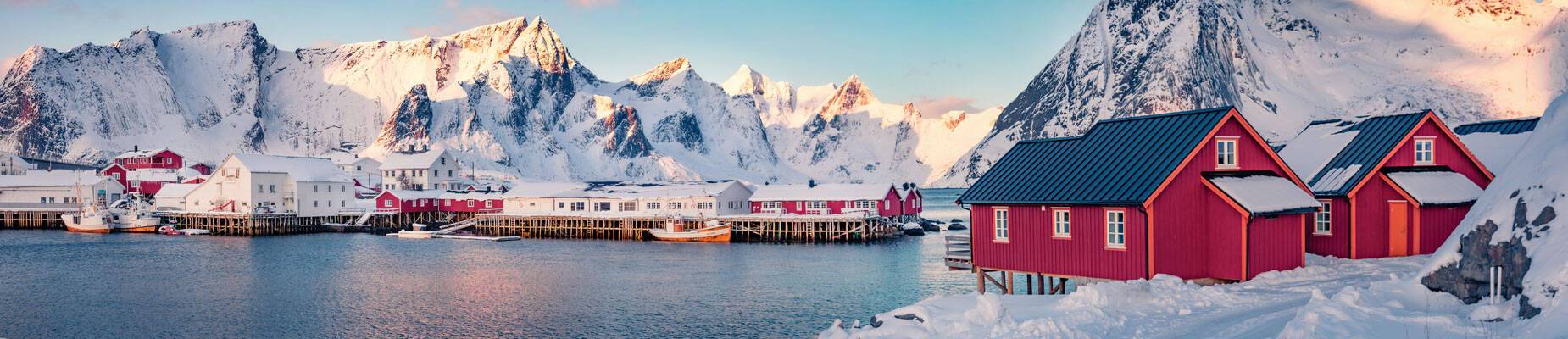
After the snowy scenes and freezing temperatures we’ve seen across the UK over the past couple of weeks, and with National Snow Day arriving on 18th January, it’s safe to say winter has well and truly made itself known. While our cold snaps can feel pretty dramatic, they’re often nothing compared to the countries where snow is a guaranteed part of life every year. Dreaming of escaping to a winter wonderland? From fairytale forests and snow-dusted cities to towering mountain peaks covered in powdery snow, winter can be an extremely magical time. Here, we take a look at which countries get the most snowfall annually, and what makes them such unforgettable places to visit during the colder months.
Japan
Japan currently holds the title of being the snowiest country in the world. Each year, there is significant snowfall due to a powerful winter weather setup in which cold air sweeps in from Siberia, picks up moisture over the Sea of Japan, and then causes snow as it hits Japan’s mountains. Northern Japan is famous for its abundance of deep, dry, and powdery snow. Central and Western Japan also experience significant snowfall. While Eastern and Southern Japan are generally milder, snow still occurs during the winter months. Peak snow season falls in January and February, although it can begin in December and last through March or even April in some areas. Many choose to visit during this time to enjoy the fantastic winter sports, such as skiing, to soak in the natural hot springs (onsen), or to savour the delicious cuisine.
Canada
In Canada, almost two-thirds of the country is covered in snow for over six months of the year. Many people from across the globe travel to Canada during the winter months to make the most of the snow. Home to major ski resorts like Whistler Blackcomb, Lake Louise, Mont Tremblant, and so much more, it’s little wonder that so many people choose Canada as their winter escape of choice. It’s also a great time for nature lovers and those who have their hearts set on witnessing the spectacular aurora borealis in all its glory. Some studies suggest that whilst active snowfall can make the northern lights harder to spot, snow on the ground can act as a reflective surface, making the natural phenomenon easier to see.
USA
Thanks to its sheer size and huge mountain ranges, the U.S. is home to some of the snowiest places on the planet. The heaviest snowfall tends to hit the Pacific Northwest, the Rocky Mountains, and across the Northeast and Great Lakes. The northern Great Plains also sees plenty of snow each winter, which tends to be more windblown and storm-driven. Other areas of the country can get snowfall, too, but this might be lighter and more sporadic. The total amount of snow varies significantly with elevation and proximity to the Great Lakes or the coast. From thrilling trips to world-class ski resorts and time spent wandering through stunning snow-covered national parks, to experiencing the best of both worlds with an extended holiday that features snowy mountains followed by a visit to the sunshine state, there is so much to enjoy during the winter months. You might choose to visit New York or Chicago and witness the magic of a blanket of snow transforming a city into a winter wonderland. Seasonal events and snow make for an extra special escape.
Norway
Each year, Norway receives consistent, abundant snowfall, with the deepest snow usually found inland and in the mountains. The total amount of snow varies greatly by area. Coastal areas tend to be milder and wetter, while higher elevations and interior valleys often hold onto snow for much longer. Peak snow season can start as early as September and last until May. The heaviest snowfall usually occurs between January and March, with February typically boasting the greatest snow accumulation of the year. Winter sports such as snowshoeing and tobogganing across snowy landscapes are extremely popular. Chasing the Northern Lights or strolling through snow-covered Christmas markets in cities like Oslo and Bergen makes the festive period even more special. Some choose to visit hot saunas for a true Nordic experience.
Switzerland
Switzerland is one of Europe’s snowiest destinations, but snowfall varies hugely depending on altitude. Up in the Alps, mountain resorts can see several metres of snow each winter, while towns and cities in other regions usually get much less. Generally, the snow season starts in December and runs through April, with the deepest snow between January and March. It’s a dream spot for skiers and snowboarders, but the appeal of visiting Switzerland in the winter goes beyond the slopes. You can expect jaw-dropping scenery, cosy mountain villages, and the simple pleasure of warming up with gooey cheese fondue, followed by a few tempting Swiss chocolates.
Austria
In a similar way to Switzerland, the snowfall in Austria varies significantly by region and altitude. Renowned for its legendary slopes and widely credited as being the birthplace of the modern, party-fuelled après-ski, Austria is a bucket-list destination for skiers and snowboarders alike. The winter weather makes it a popular place to try activities such as tobogganing, snowshoeing, and sleigh rides. Or, you might opt for winter hiking, guided tours of ice caves, or unwinding in thermal spas. These spectacular activities, set against the dramatic backdrop of the snow-capped Austrian Alps, make the destination even more enticing.
Finland
Famous for its stunning national parks, spectacular natural beauty, and for being the home of Santa Claus in Lapland, Finland is a snowy paradise that many cannot wait to visit. As the country stretches a long way from north to south, the amount and duration of snowfall can be completely different depending on where you are. The north gets deeper snow and a much longer season than the south. The snow season usually begins in October or November and can last through May.
Iceland
In Iceland, the snow season can start as early as September in some areas, particularly the North, the Westfjords, and the Highlands. Reykjavik, the capital of Iceland, experiences less snow, and it tends to melt faster. The peak snowy months tend to be between November and March. However, the snow has been known to linger until May. Popular winter activities in Iceland include glacier hiking, thrilling snowmobile rides, and watching the incredible Northern Lights dance across the sky. You might also choose to experience ice fishing, jeep tours across glaciers, or a visit to geothermal pools like the famous Blue Lagoon.